
Daily operations
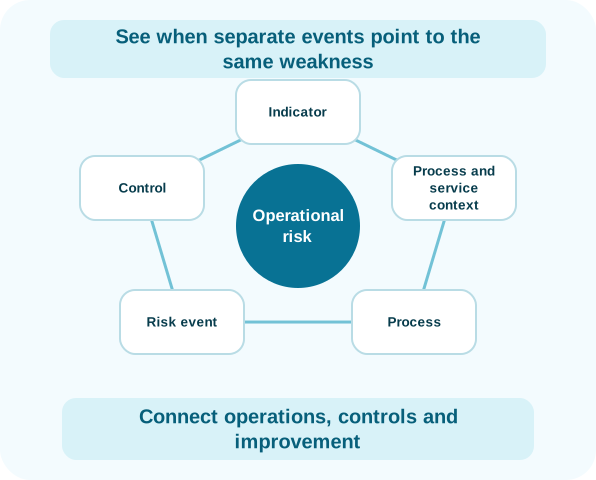
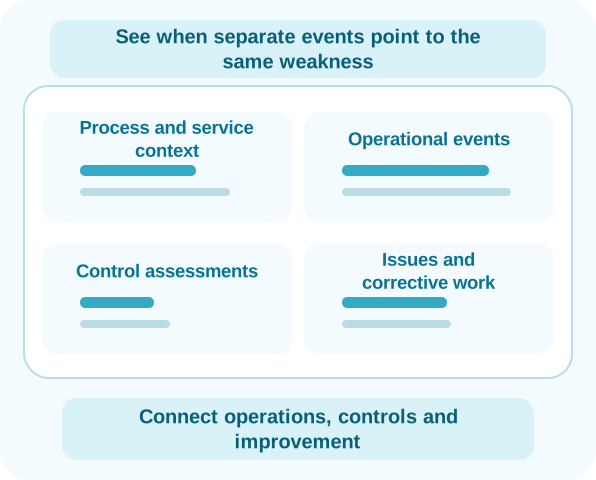
See when separate events point to the same weakness
A service delay, processing error or control failure may be recorded by different teams. When each record sits in its own log, recurring causes and shared dependencies remain hard to see.
The platform relates operational risks to processes, services, controls, events, issues and actions. Owners keep the detail needed for daily management while the risk team can examine patterns across operations.
- Process and service context
- Operational events
- Control assessments
- Issues and corrective work
An illustrative example
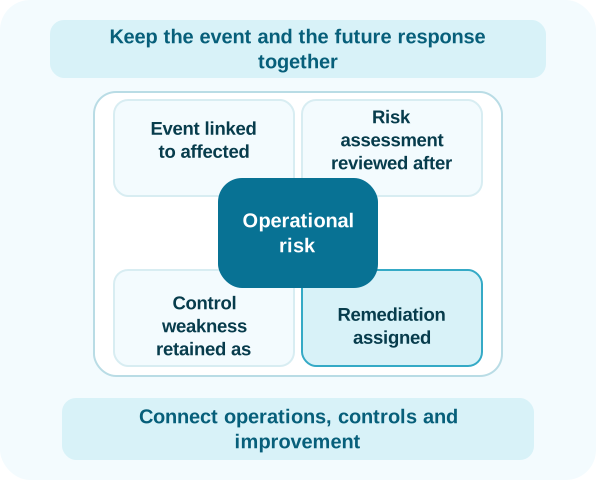
Keep the event and the future response together
Suppose a manual handoff fails and delays a customer process. The event record explains what happened. The related risk shows the future exposure. The control record shows what should prevent recurrence, and the issue identifies the gap that now needs correction.
Keeping those records related makes it easier to decide whether the event is isolated, whether exposure has changed and whether the planned action addresses the cause.
- Event linked to affected process
- Risk assessment reviewed after the event
- Control weakness retained as an issue
- Remediation assigned and monitored
Operational oversight
Answer three different questions from the same records
Operational risk management works when ownership and oversight reinforce each other.
Operational oversight
What changed?
Review events, assessments and significant movement since the previous reporting period.
Operational oversight
Where is the weakness?
Identify repeated control gaps, affected processes and areas outside appetite.
Operational oversight
Who is acting?
See accountable owners, due dates, overdue work and the expected change in exposure.
Questions answered
Frequently asked questions
Can events and issues be related to more than one risk?
The platform uses related records, allowing relevant relationships to be retained rather than copying the same information into separate trackers.
Can process owners update their own information?
Yes. Access can be granted to the appropriate items through roles, groups or specific-user permissions, without a per-user SaaS charge.
How can we begin?
Begin with the operational register or event-and-action process creating the clearest reporting problem, then extend the agreed model after it is working.