A representative SaaS plan
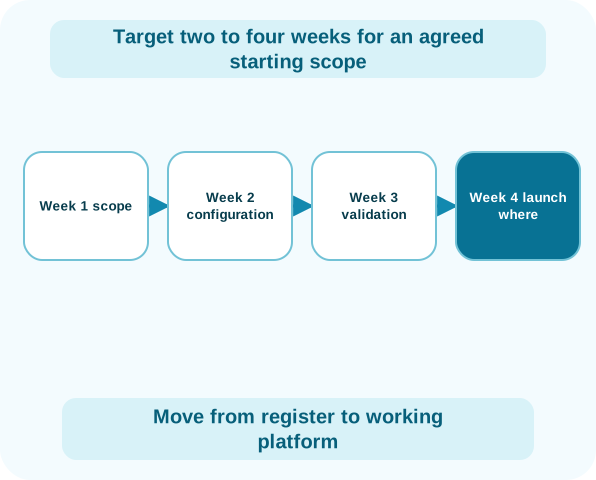
Target two to four weeks for an agreed starting scope
Parapet delivery experience targets two to four weeks for an agreed SaaS implementation. A common first scope is one enterprise or IT risk register, its owners, access model, current data and required reporting.
The target depends on data quality, integration complexity, security review and customer readiness. The plan is confirmed during discovery rather than promised before those dependencies are understood.
- Week 1: scope and model
- Week 2: configuration and data
- Week 3: validation and corrections
- Week 4: launch where the scope requires it
Who does what
Make implementation responsibilities visible
A short plan works when decisions and inputs arrive at the time they are needed.
Who does what
Parapet team
Configure the agreed model, prepare the migration, set up client OIDC settings, support validation and correct agreed implementation issues.
Who does what
Client risk team
Confirm taxonomy, scoring, ownership, access rules, reports and which current data should move.
Who does what
Client technology and security
Provide identity, integration and security inputs, then complete the reviews required by the organization.
Migration
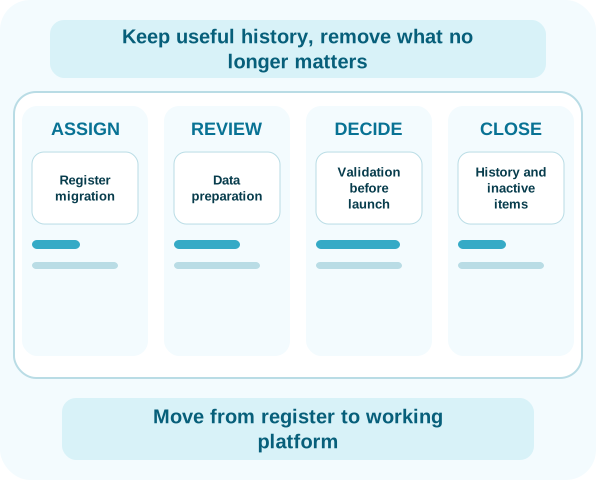
Keep useful history, remove what no longer matters
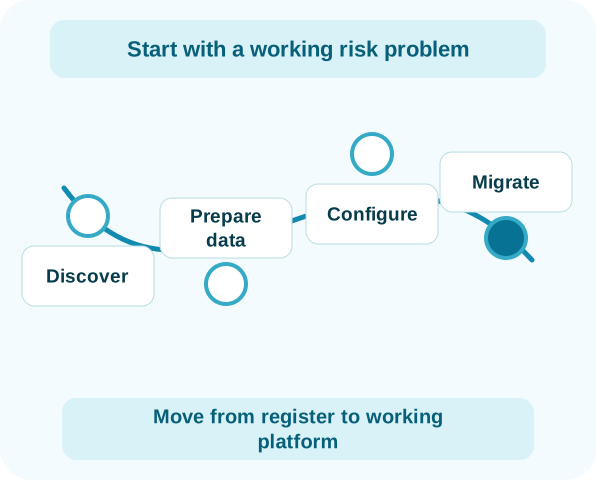
Migration is a chance to improve the register, not just reproduce every spreadsheet field. We work with the client to identify active data, required history, duplicates and fields that no longer support decisions.
Parapet does not delete archived records merely to reduce billing. Inactive and archived items are retained without charge. If they are used for reporting or reactivated, they are charged only in that month.
- Complimentary existing-register migration for qualifying SaaS implementations
- Data preparation agreed with the client
- Validation before launch
- Historical and inactive-item approach confirmed during discovery
What can move the date
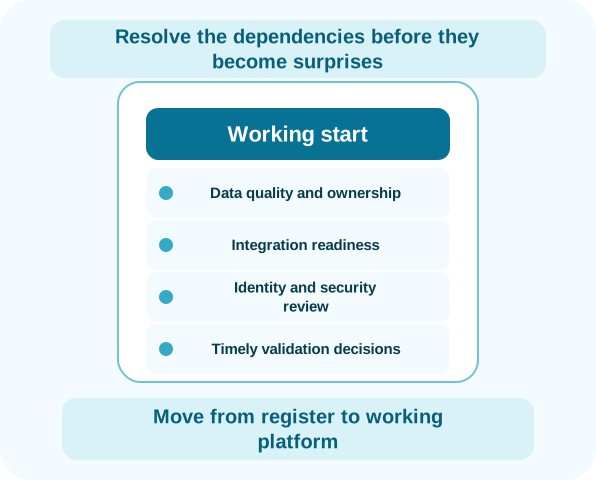
Resolve the dependencies before they become surprises
Unclear ownership, inconsistent source data, late taxonomy changes, complex integrations and security approvals can extend the schedule. Customer-hosted deployments also require a separately scoped environment and custom pricing.
Business users do not require mandatory Parapet training. Where enablement is useful, it can concentrate on the client's risk process, roles and decision expectations rather than basic navigation.
- Data quality and ownership
- Integration readiness
- Identity and security review
- Timely validation decisions