1. Open the risk workspace
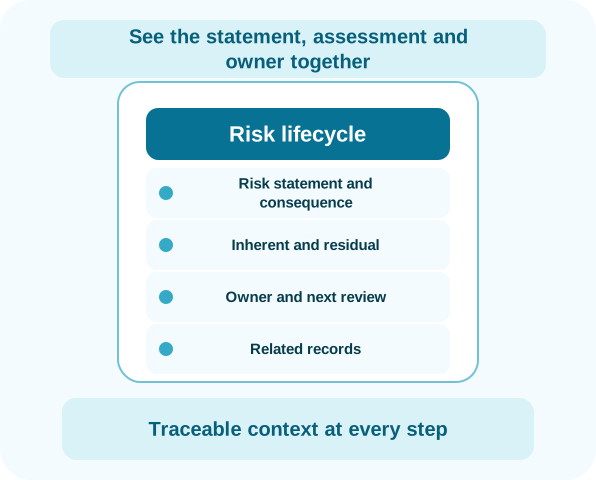
See the statement, assessment and owner together
A structured record holds the risk statement, classification, owner, assessment, appetite position and review date.
Related objectives, services, controls, assessments, issues and actions remain available from the same working context.
- Risk statement and consequence
- Inherent and residual assessment
- Owner and next review
- Related records
2. Review the control context
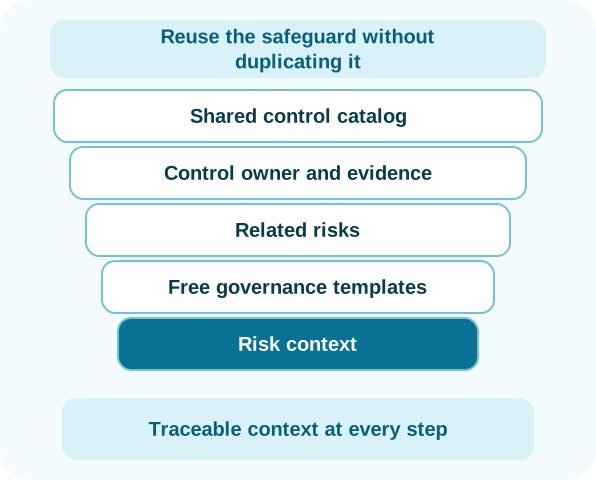
Reuse the safeguard without duplicating it
A control from the shared catalog can relate to more than one risk. Its owner, assessment and evidence stay with the control rather than being copied into each register.
Risk and control catalogs, policies, procedures and other governance templates are free, so consistent foundations do not add item charges.
- Shared control catalog
- Control owner and evidence
- Related risks
- Free governance templates
3. Assign the follow-through
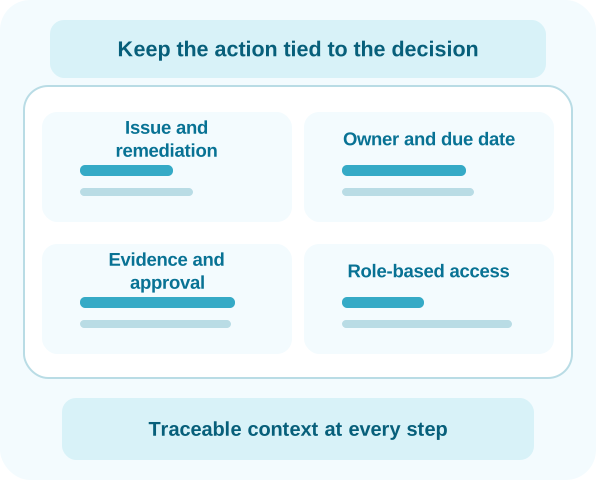
Keep the action tied to the decision
When the review identifies a gap, record the issue and assign remediation with an owner and due date.
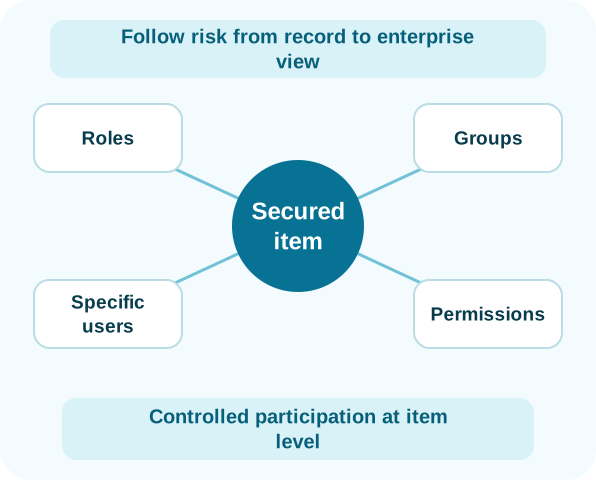
Notifications, status, evidence and approval stay connected to the source risk or control, with item-level permissions protecting sensitive work.
- Issue and remediation
- Owner and due date
- Evidence and approval
- Role-based access
4. Monitor and report
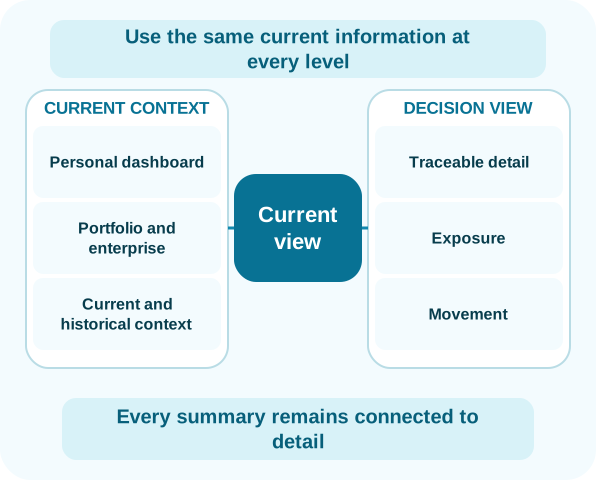
Use the same current information at every level
The owner can add the item to a personal dashboard for regular monitoring. Reports can then organize related information across registers for portfolio, enterprise, committee or board discussion.
Because the detail remains traceable, a reported exception can be followed back to the current risk, control, issue and action without rebuilding the story in a spreadsheet.
- Personal dashboard
- Portfolio and enterprise reports
- Current and historical context
- Traceable detail